Most web pages on the deep web are still accessible by regular search engines via browsers like Google Chrome, Microsoft Edge, and Mozilla Firefox. Anyway, once you’ve got the VPN you can be sure that your IP won’t lead back to you, and then you’re going to need the Tor browser. In an era defined by digital connectivity, protecting sensitive, critical and personal information from cyber threats – including those originating from the dark web – is a strategic imperative. George is a seasoned Cybersecurity writer who has been writing guides and news about digital security for over five years. He has worked for several international tech platforms, and his writing and editing expertise has also enhanced over time.
Deep Web Access Via Academic Databases And Archives
As enticing as it might be, don’t follow links to other parts of the dark web. The dark web is also a place for scammers to attract vulnerable and unwitting victims. The platform is also used by governmental cyber departments to identify and track potential criminals or offenders.
What Is The Darknet?
But as a result, Tor Browser will feel much slower than a normal web browser. The Tor network combined with a VPN is one of the safest ways to get on the dark web. Many internet service providers (ISPs) and governments are suspicious of Tor use, but a VPN will hide your internet activity and help prevent anyone from knowing that you’re using Tor. Researchers from Recorded Future estimated that while there are more than 55,000 existing onion domains, only 8,400 (or roughly 15%) of these sites were active. So, when measuring the total network of live dark web sites alongside the surface web, only about 0.005% of the internet is the dark web.
What Precautions Should Be Taken When Accessing The Dark Web?
- Chainalysis says that $790 million worth of cryptocurrencies were used to shop in darknet markets during 2019.
- Significantly smaller than the tiny surface web, the dark web is considered a part of the deep web.
- The deep web refers to all internet content not indexed by standard search engines like Google or Bing.
- It is worth noting that some pages on the deep web contain valuable personal data to cybercriminals.
- Besides, some additional protective measures may include application sandboxing, erase-on-shutdown, etc., based on a particular OS.
- They don’t have to be deep, dark secrets — not even your closest friends need to know the password to your email account, for instance.
All anyone monitoring your browsing habits can see is that you’re using Tor. Organizations that monitor dark web activities can detect credential exposure and potential threats before they materialize into breaches. Properly securing deep web resources also prevents unauthorized access to sensitive information.
Hidden Answers
Some of the best dark web websites are just versions of regular sites but are hidden to enable users in totalitarian regimes to access them. Unlike the Dark Web, sites on the Deep Web can be accessed using normal web browsers like Firefox, Google Chrome, and Safari. Also, these sites are often linked to publicly accessible pages, making them findable and accessible by users with the right login credentials and willingness to pay. For example, sites like Netflix are reachable from search engines, but the videos hosted on the site are only accessible to users who have created an account and paid a subscription fee.
It’s made up of forums, marketplaces, and websites you can’t find with a Google search and requires specialized software to access, such as the Tor Browser. The deep web vs dark web are often misconstrued as being one thing when in reality they represent two different levels of the internet. The deep web refers to all that is accessible on the internet that is not indexed with those typical search engines. This would include a very broad range of content such as private databases, academic resources, and password-protected sites. Unlike the surface web, which is easily accessible and often serves legitimate purposes, the deep web holds valuable information that typically requires specific access credentials or subscriptions.
There’s even an option to set a timer on your most sensitive messages so they disappear after a set time period. SecureDrop protects your privacy by encrypting your data, which makes it unreadable. Also, it doesn’t log your IP address or any information about your browser or device. Moreoever, the servers are owned by the organizations that use the service. However, Facebook’s dark web version will still log your data, so keep that in mind. While your IP address is hidden, the site can still collect information you share on your profile.
Our Network
Accessing the deep web is simple, and you likely use it daily when logging into private accounts like Gmail, your bank account, or even streaming services like Netflix or Disney+. In general, the rules for accessing the deep web and the dark web safely are similar to the best practices for accessing the surface web. However, you cannot simply browse to sites on the dark web — you have to take steps to ensure privacy first. This is akin to the things you actively hide from other people and don’t want anyone else to learn about.
What Types Of Content Exist On The Deep Web?
I strongly advise doing your own research to make sure you’re not breaking any local laws by visiting the dark web. Also, even in countries where accessing the dark web is legal, it’s still against the law to use or host sites that promote criminal activities. The surface web, what most users think of as “the internet,” represents only about 10% of total internet content. This visible portion includes all websites and resources that search engines can discover and index. A small, hidden part of the internet accessed via special tools like Tor, often linked to anonymity and sometimes illegal activities, but also used for legitimate purposes like secure communication. Onion sites aren’t really dangerous, but they could be when accessed through unfamiliar or suspicious links.
The majority of the web is called the “deep web” (often referred to as the “invisible” or “hidden” web). The deep web is basically all the content that you can’t find using Google or Yahoo search. So, that means that the number of pages increased by over 100 trillion in just over three years. Hypothetically speaking, Google may be aware of well over 200 trillion individual pages (these are obviously NOT all indexed in the search engine). So, sites that contain a domain extension like .com, .org, .net, .biz, .info, etc. can be found on the surface web.
Similar to using a standard web browser to access the open web, the act of using Tor or a dark web browser to access the dark web is not illegal in and of itself. It is illegal to perform illegal acts on the dark web, regardless of the level of anonymity provided by the platform. Some use similar services such as I2P, for example the Silk Road Reloaded. The visitor has to use the same encryption tool as the site and – crucially – know where to find the site, in order to type in the URL and visit. Yes, but you need to be cautious because there are many malicious sites on the dark web. The best way to do that is to get the link from legitimate sources, like The Hidden Wiki.

Google Search Only Got Worse After The Death Of “Googlewhacks”
On the other hand, accessing the dark web requires special software, most commonly Tor, which masks your identity and provides access to websites with .onion extensions. Surface web search engines do not index these sites, so you need the right tools to navigate safely and anonymously. The Surface Web is the portion of the internet that we interact with on a daily basis.
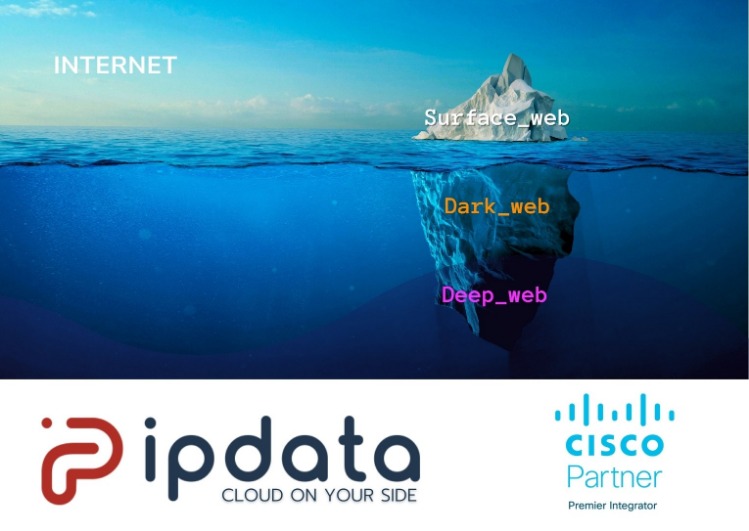
So while the deep web sounds mysterious, most of us use it every day without even realizing it. Despite the internet’s massive size, only about 10% is the surface web. The remaining 90% of it constitutes the deep web and the dark web. The deep web is the hidden and invisible part of the internet that lies behind the paywall. So hey, we’ve beaten around the bush quite a bit, let’s finally get you what you came here for, here’s how to access the deep web.
- It relies on P2P connections and requires specialized tools and software.
- As your traffic passes through Tor, it’s encrypted and bounced between at least three relay points, known as nodes.
- For instance, banking websites require users to log in before viewing their account statements.
- As such, no one is responsible for setting rules or ensuring their adherence.
- The part that we are most familiar with is really just what we might think of as the surface web.
Best Dark Web Sites In 2025 + How To Stay Safe
There’s evidence that law enforcement agencies in freer countries operate many exit nodes for monitoring and surveillance purposes. This is because Tor traffic is usually unencrypted when it passes through the exit node. Valentina Bravo is a managing editor at Cloudwards with a rich background in technology topics, particularly productivity tools and online security. She holds a Bachelor’s degree in Liberal Arts and a triple Master’s degree in Literary and Cultural Studies.
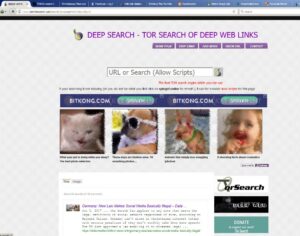
His work is featured in Cloudwards and he has been quoted in The Daily Beast, reflecting his dedication to internet privacy. When not demystifying digital security, he indulges in diverse hobbies from bonsai to powerlifting. You don’t need special tools or a special browser like you need to access the dark web (more about that later). Anyone can access the deep web by using specialized search engines, dedicated web directories, and other sources that can help you find the data or information. The Deep Web includes unindexed content like private databases and password-protected sites accessible with standard browsers. Other dark web search engines worth investigating are Ahmia, Torch, NotEvil, and the Onion URL Directory—just type out some keywords for what you’re looking for.
Therefore, this content is inaccessible to most online users, and it is difficult to track the visitors of such websites. These pages are mostly obscured from the surface web to secure user data and privacy rather than any nefarious purpose. The former includes privately protected file collections that one cannot access without the correct credentials. The latter includes internal networks for governments, educational facilities, and corporations. The ‘members only’ parts of public platforms are also a part of the deep web. Dark web links can change frequently, so always verify addresses from multiple trusted sources before visiting any .onion site.